by Rob Frost, Mountain Journeys chief guide, July 2025
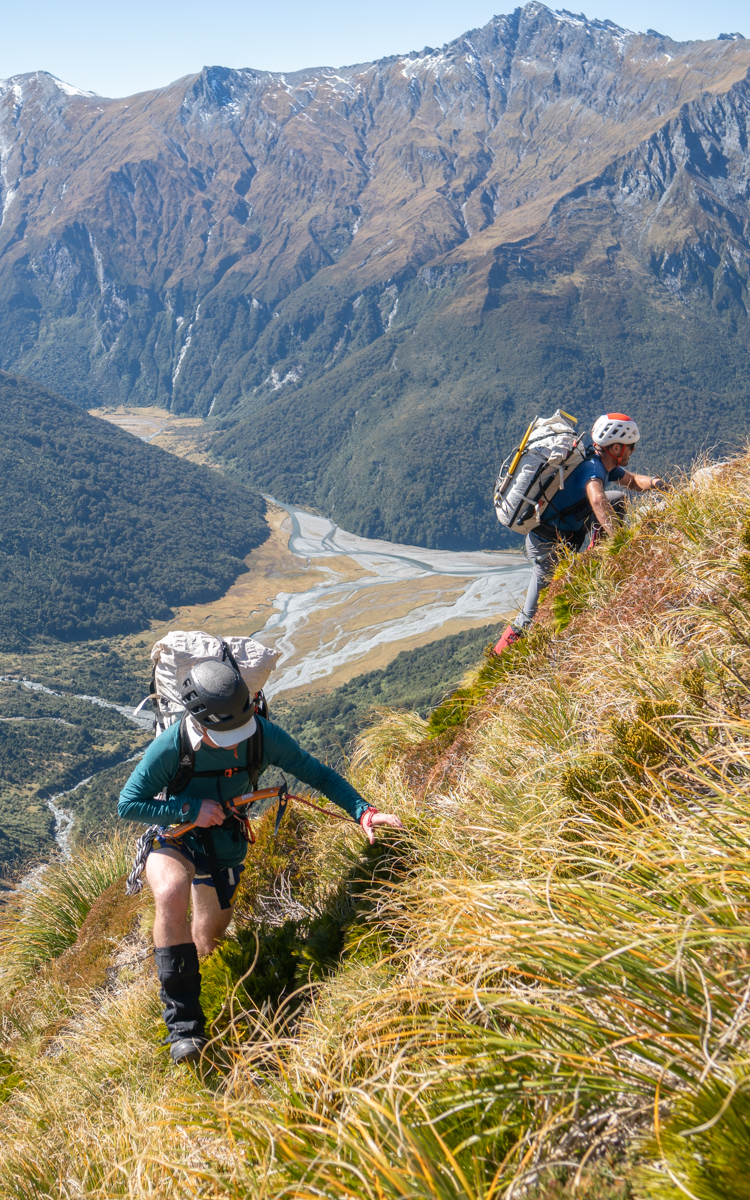
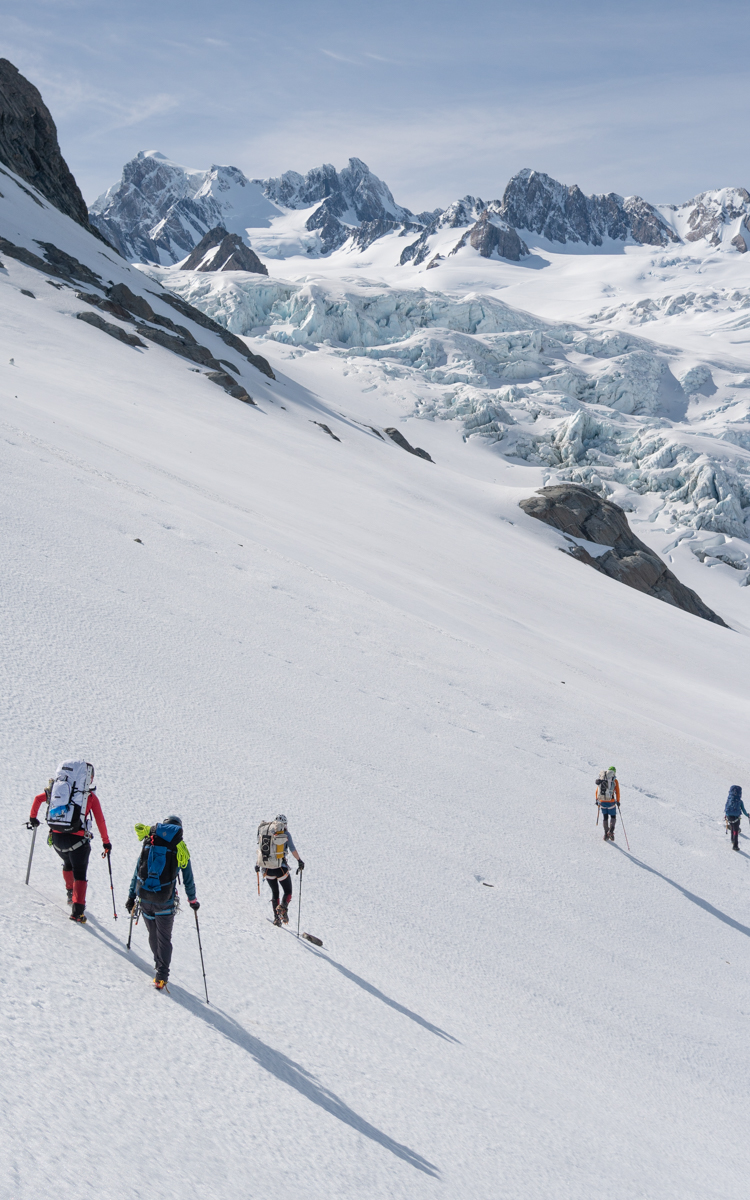
This page is about boots for transalpine tramping and hunting trips where snow is a major component – which may also feature scree and rock scrambling, steep tussock, and rugged untracked river valleys – as well as boots for mountaineering, generally up to grade 2.
Most of the boots here are warm enough for winter instruction courses, but you may have slightly cold feet some of the time when you’re not moving around.
See the bottom of this page for lists of (1) more burly boots for more full-on alpine climbing, and (2) lighter, more flexible boots for easier tramping with only occasional snow travel.
Boots need four attributes to make it onto this list:
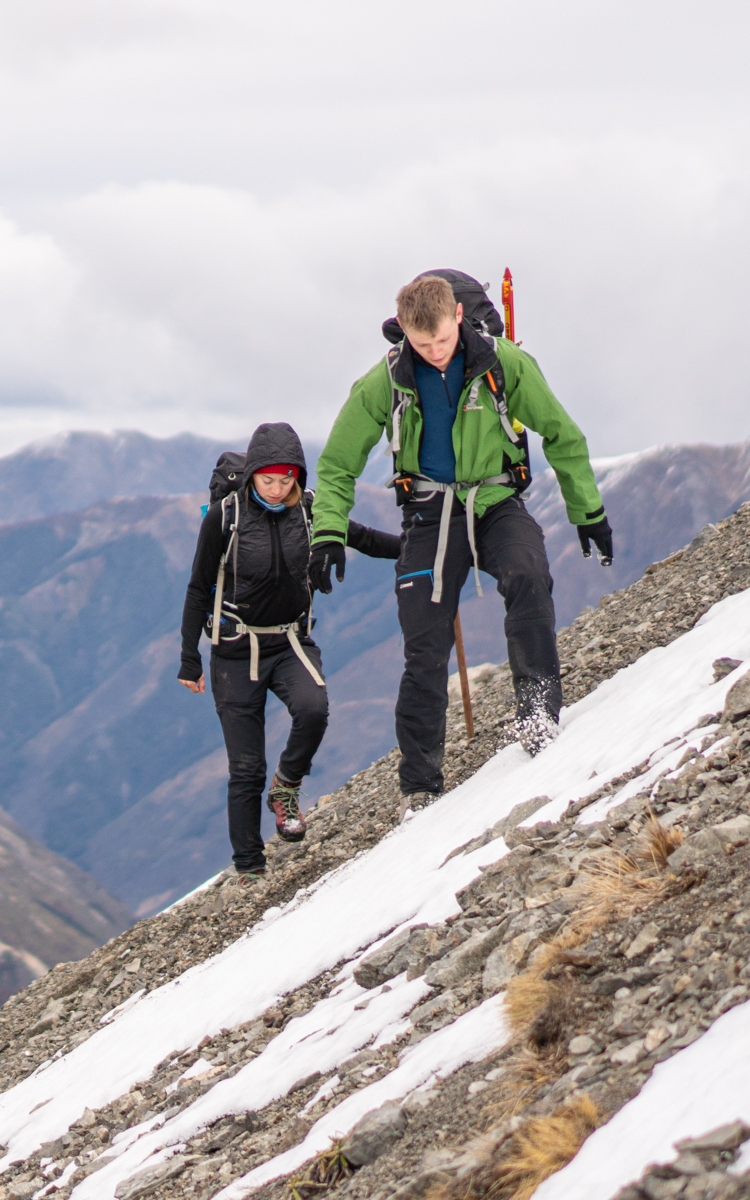
- The right amount of stiffness. The boots here are moderately stiff. Compared to more flexible boots they’ll better protect your feet from uneven rocky ground, feel more secure when travelling across steep ground, and work well with crampons, but won’t be as comfortable on easy terrain. Compared to very stiff mountaineering boots, they’ll generally be more comfortable for walking and will allow a little more agility on uneven ground, but aren’t stiff enough for sustained front pointing on steep snow and ice. They’re designed to be all-rounders, and the most versatile and comfortable option for sustained off-track travel with at least a fair amount of snow.
Note that the terms “more stiff,” “moderate,” and “less stiff” used when describing boots on this page are relative to each other; they all fall into the “moderately stiff” camp on the grand scheme.
- Narrow outsoles. You’ll gain immense confidence in the hills when you can use the edges of your boots with ease. With a narrower sole, your weight can be positioned nearer to the edge of your boot when sidling across steep terrain. This means there’s less torque for your muscles to work against, so any time you need the edges of your boots it’ll feel easier and more secure. Boots intended for mountaineering practically all have narrower outsoles, but for less stiff boots it’s something to look out for. Having a narrow outsole doesn’t mean the fit of the boot is narrow, some of these boots even have a ‘wide fit’ option yet still have a narrow outsole.
- Good quality. They need to come from a reputable brand, not be a totally new model (unless it’s one I’ve personally got experience with), and not be uber-lightweight and therefore not at all durable.
- Available in New Zealand! A quick search will let you find stockists for each model. I encourage you to support independent stores where possible, such as Living Simply in Auckland, Further Faster in Christchurch, and Small Planet in Queenstown. Chains like Bivouac and Hunting & Fishing also have a good selection.
Other characteristics to consider
- The boot needs to fit your foot comfortably. Don’t just decide from this website which is the best boot and make it work, you might set yourself up for a lot of anguish. If you can’t decide between two different sizes, go for the bigger one. You can’t do anything with tight boots except suffer.
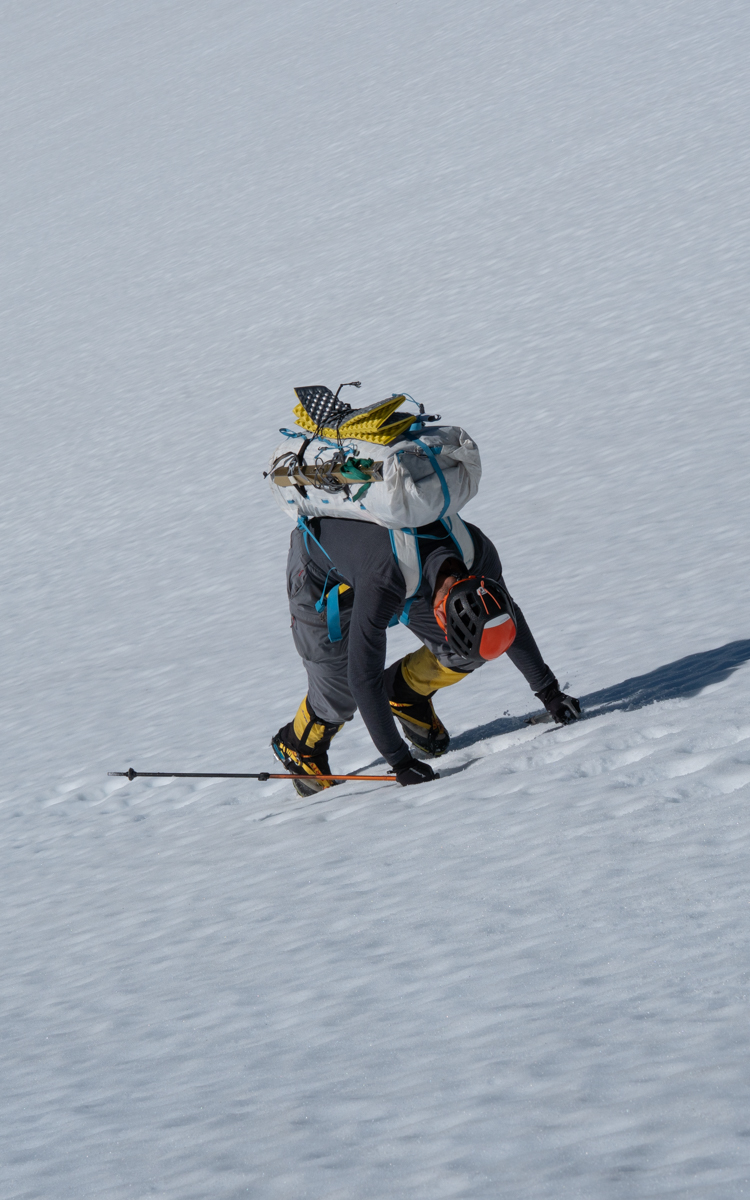
- Weight, Durability, and Warmth. Any weight saving usually comes at the cost of durability and/or warmth. Durability is affected not just by the materials and construction of the upper, but also the thickness of the sole. Next time you pick up a light pair of boots, see how much rubber it’s actually got. Will it last long?
- A proper heel step. This is the little vertical section at the front of the heel which will grip the ground when you’re descending. A good heel step is especially useful if you’re going to be in mud or gravel a lot, and for ground with lots of tree roots.
- Cost. First decide which model boot is best suited to your needs, then find a way to make that pair work for you financially. Don’t go for a cheaper option just because it’s what you can afford now, if that cheaper option isn’t going to work as well. ‘Future you’ will thank you. Your boots are your most important piece of kit. Get good ones.
Some advice
- All boots are crampon compatible. See the note about crampons at the bottom of this page.
- Don’t believe the hype. Many manufacturers use fancy language to describe the intended use and characteristics of their boots. (E.g. “high altitude” simply because boots aren’t intended for the lowlands.) Don’t listen to them. Read reviews online and check them out for yourself in the shop.
- The myth of ankle support. On uneven ground, especially with a heavy pack, if you land in an unexpected and lopsided way you could twist your ankle regardless of which boot you’re wearing (unless it’s a ski boot). So why do we want a boot with a higher ankle if not for ankle support? Firstly it makes it possible to use your edge (the importance of good edges can’t be overstated) and secondly it protects your ankles from knocks. While there is certainly a small element of extra stability, no boot will entirely prevent twisted/sprained ankles. Strong ankles, balance, and agility are what prevent twisted ankles. In many cases being more agile with a lighter shoe will lead to fewer injuries because your balance and foot placement will be better.
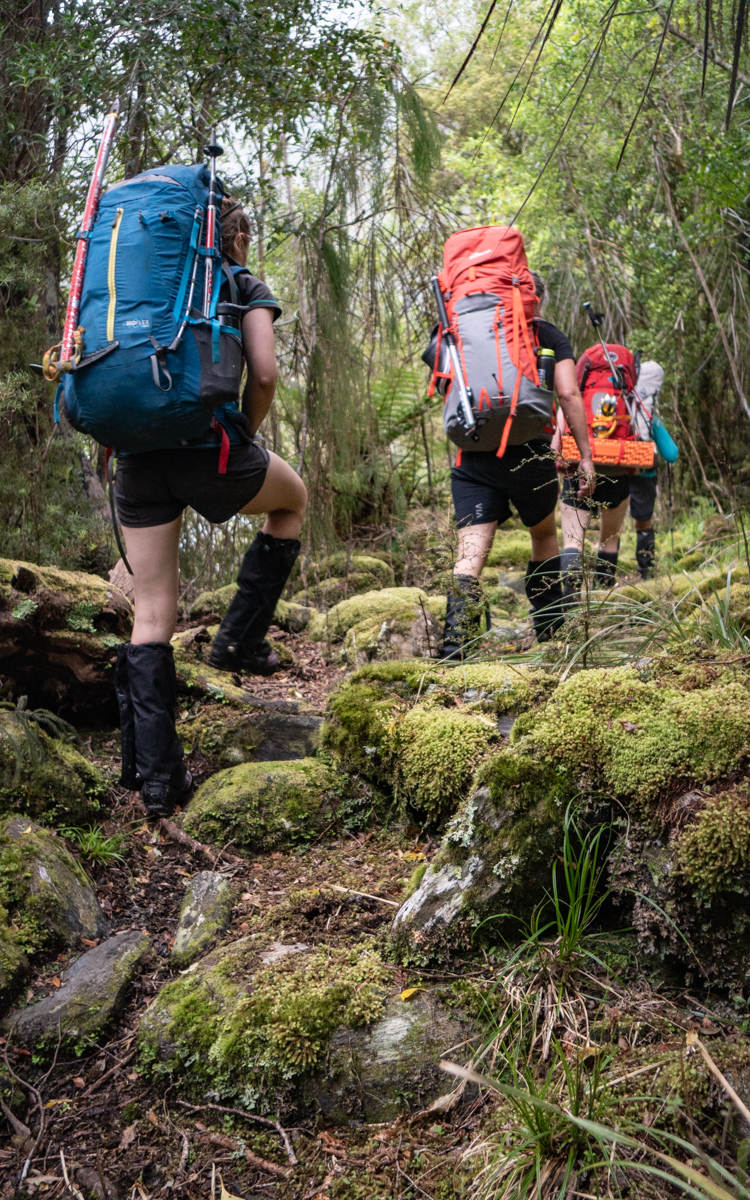
- Two pairs? Transalpine trips – and mountaineering trips with a tramping approach – involve a lot of compromises regarding footwear. Sometimes taking two pairs of footwear – a burly pair of boots and lightweight shoes for the approach – will be better; sometimes a single pair is all you need. Consider how sustained your cruxes are and how long your approach and exit are.
- Experience (and weight) matters. The more time you’ve spent in the hills, the more you can get away with. You can make more flexible boots work because you’re better with route selection and you know how to place your feet and how to distribute your weight. If it’s early in your transalpine or mountaineering career, try not to be tempted by everything you see more experienced people do – it’s often because they know how to cheat. Also, if you’re travelling with a lot of weight – on you or in your pack – you’ll probably need a slightly stiffer boot than you would travelling light on the same terrain.
OK, here’s the list…
The weights below are for a single boot as reported by the manufacturer (size 42 for men’s boots, size 38 for women’s boots).
The warmth and durability ratings are mine and are intended to help you compare – they’re not any type of actual measurement.
(1) If warmth is your priority
(but you don’t want the weight and stiffness of a full-blown mountaineering boot)
SALEWA Ortles Ascent Mid GTX
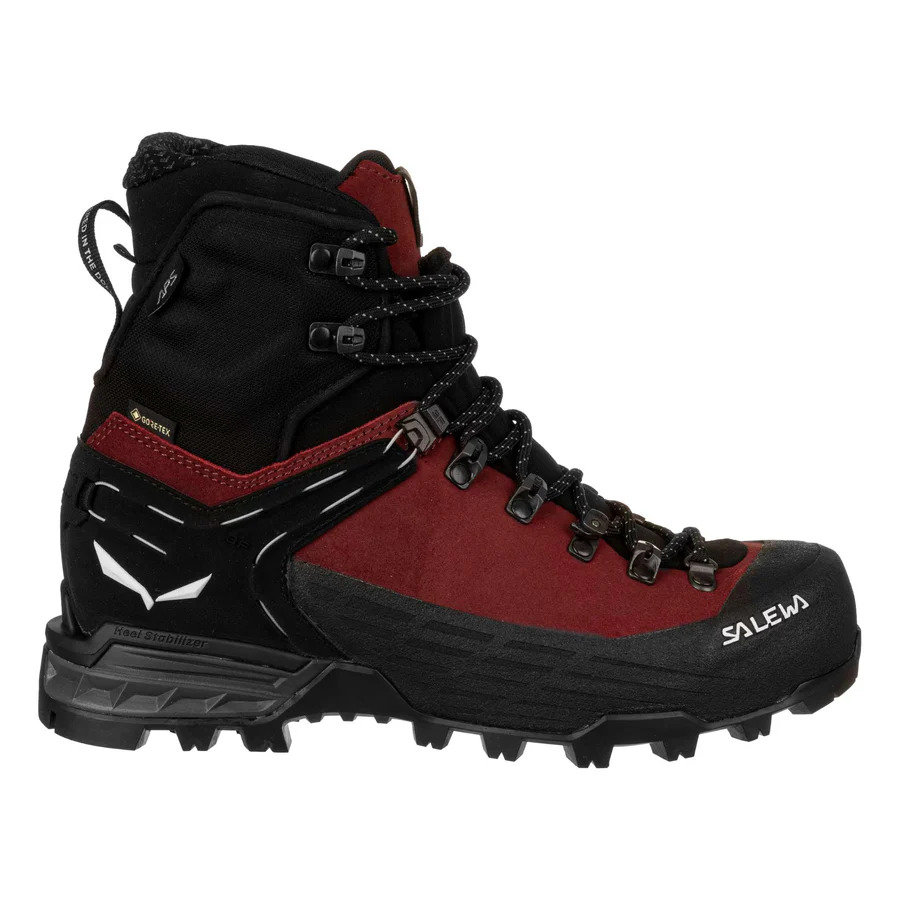
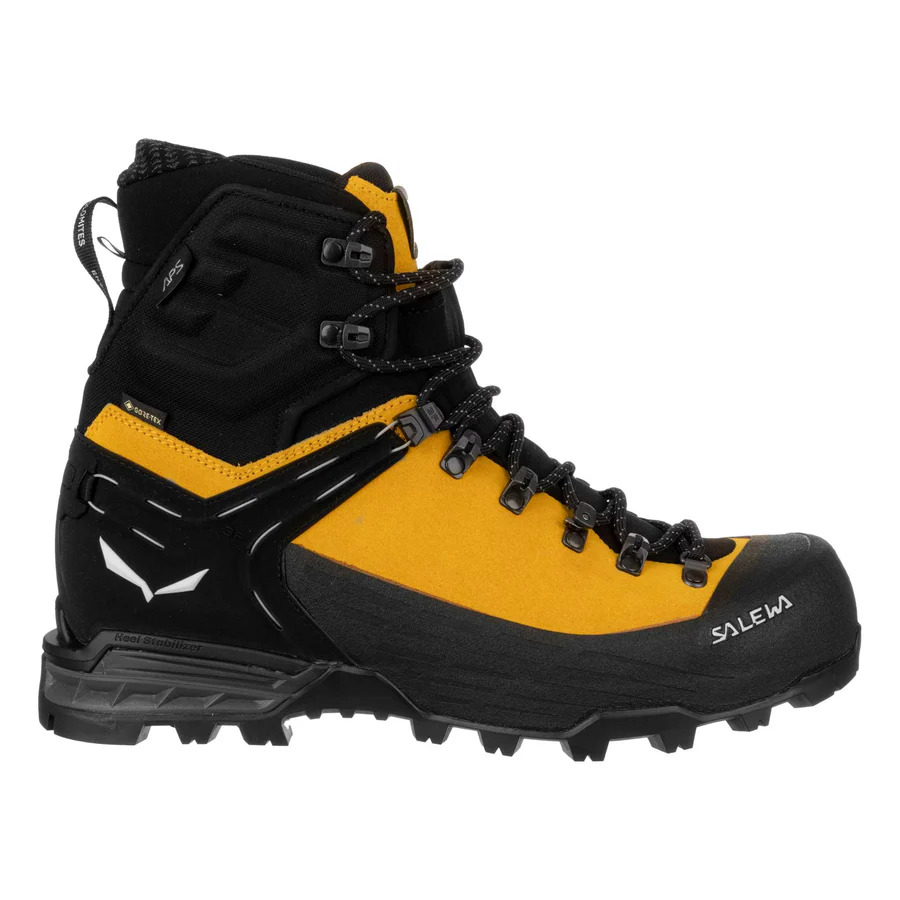
A very well made boot with no real faults. If it fits your feet, it’d be hard to go wrong with this. Comfortable, roomy forefoot, slim heel, medium to high volume, good heel step. (Pronunciation: “ort-lace”)
SALEWA Ortles Ascent Mid GTX summary
- Warmth: 8/10
- Durability: 8/10
- Weight: 700g(W)/850g(M)
- Stiffer sole
- RRP: $799.90
LOWA Cevedale II
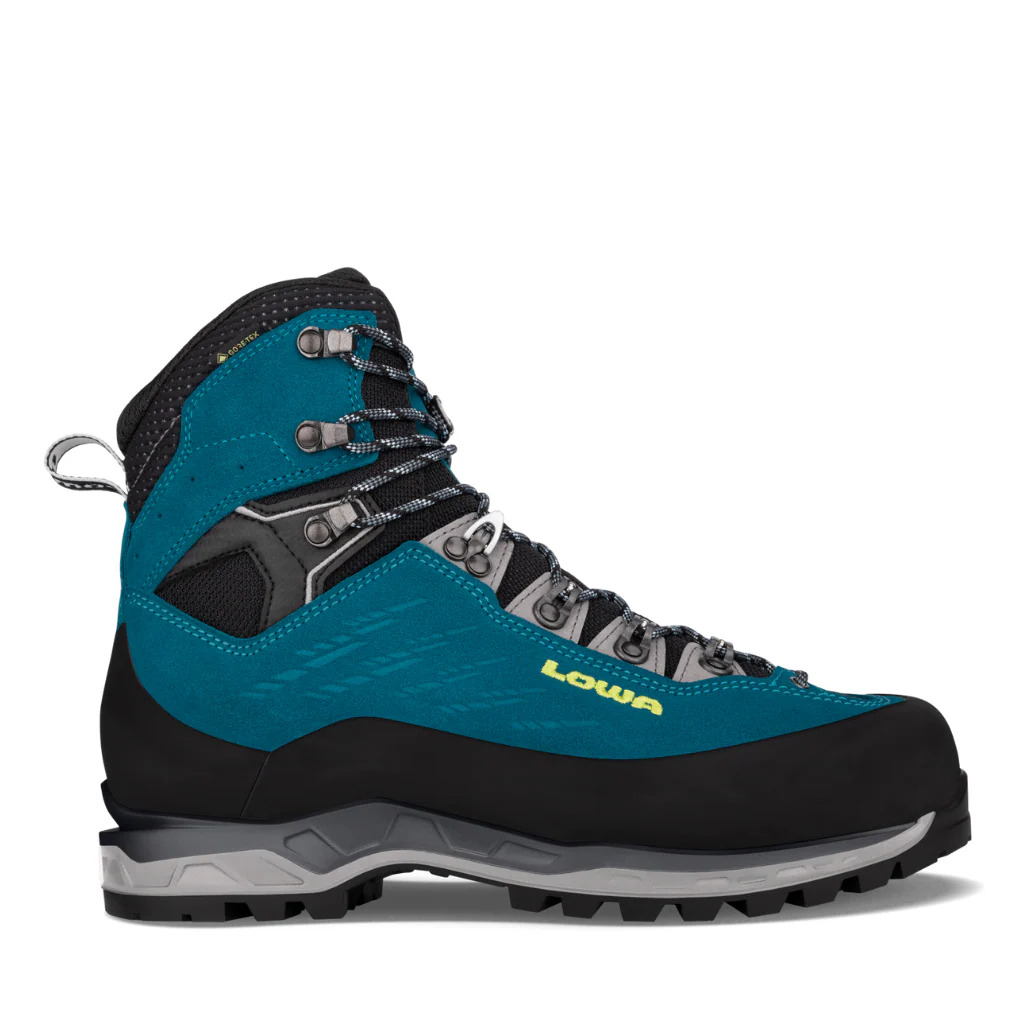
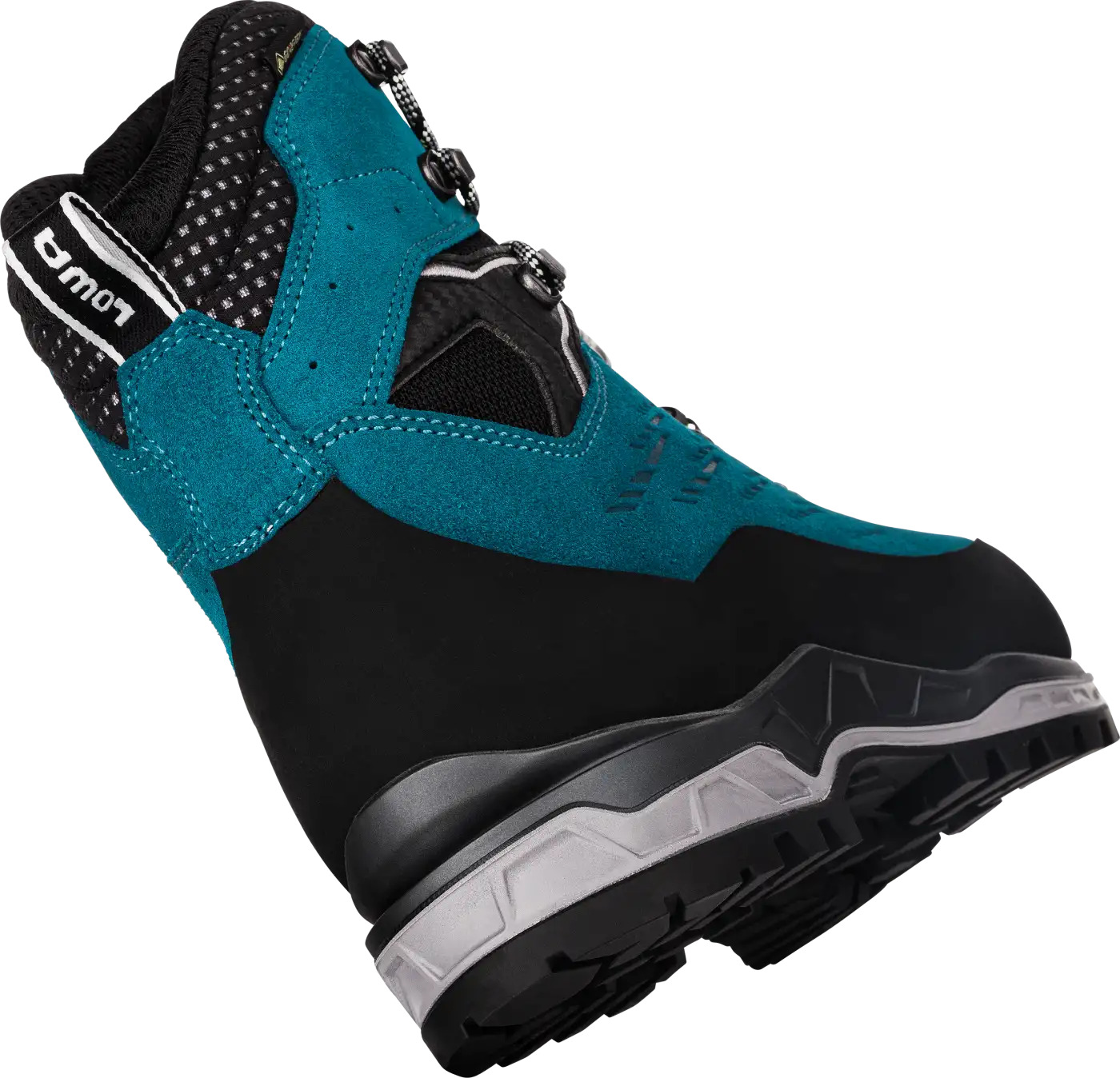
Like the Ortles Ascent, a well made general purpose boot that will serve you well if it fits well. Durable. Heel step is ok. (Pronunciation: “che-ve-DAH-leh”)
LOWA Cevedale II summary
- Warmth: 8/10
- Durability: 8/10
- Weight: 825g(M) (no women’s option)
- Stiffer sole
- RRP: $799.00
SCARPA Manta Tech
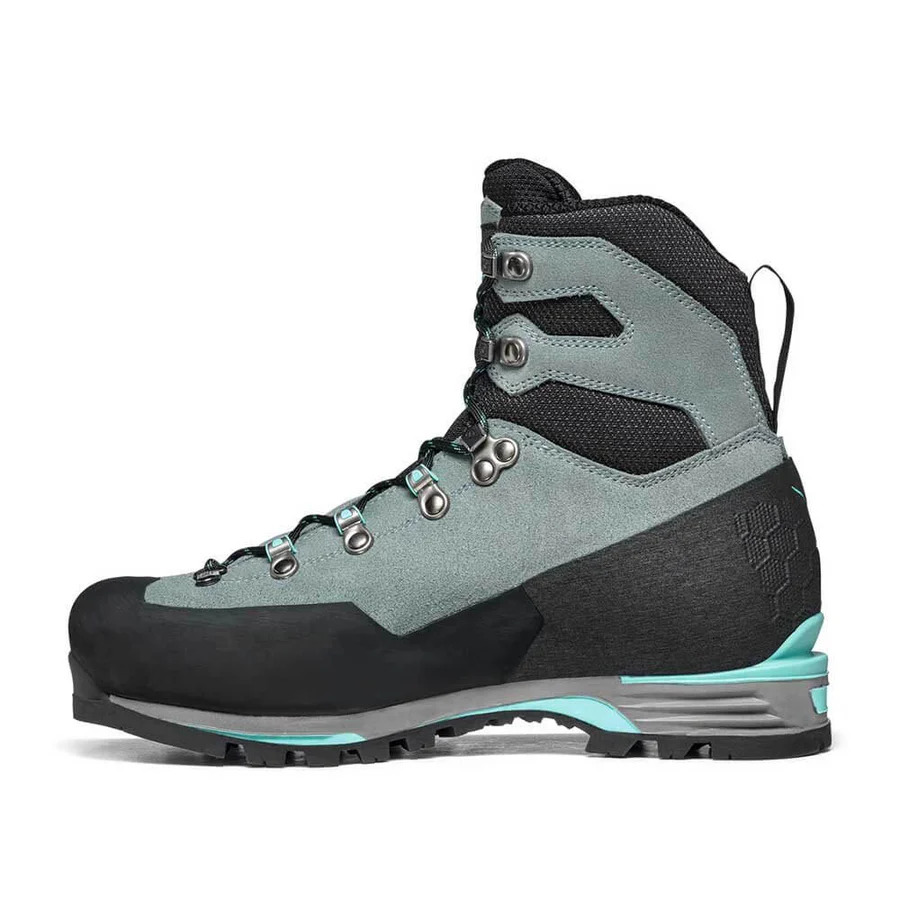
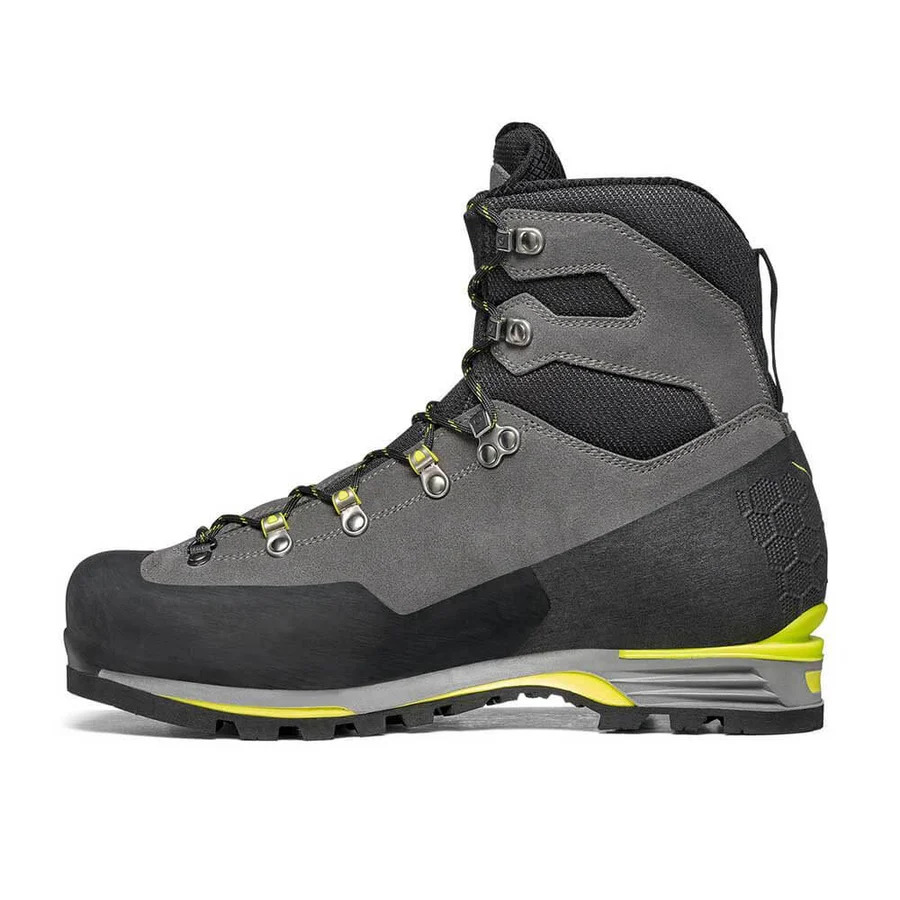
A stalwart of the Scarpa range. 3mm leather makes this very durable; it’s comfortable with lots of cushioning. It’s moderately wide and available in very large sizes. Only a small heel step.
SCARPA Manta Tech summary
- Warmth: 8/10
- Durability: 9/10
- Weight: 710g(W)/880g(M)
- Slightly stiffer sole
- RRP: $679.99
(2) If you’re looking for something lightweight and precise
SALEWA Crow
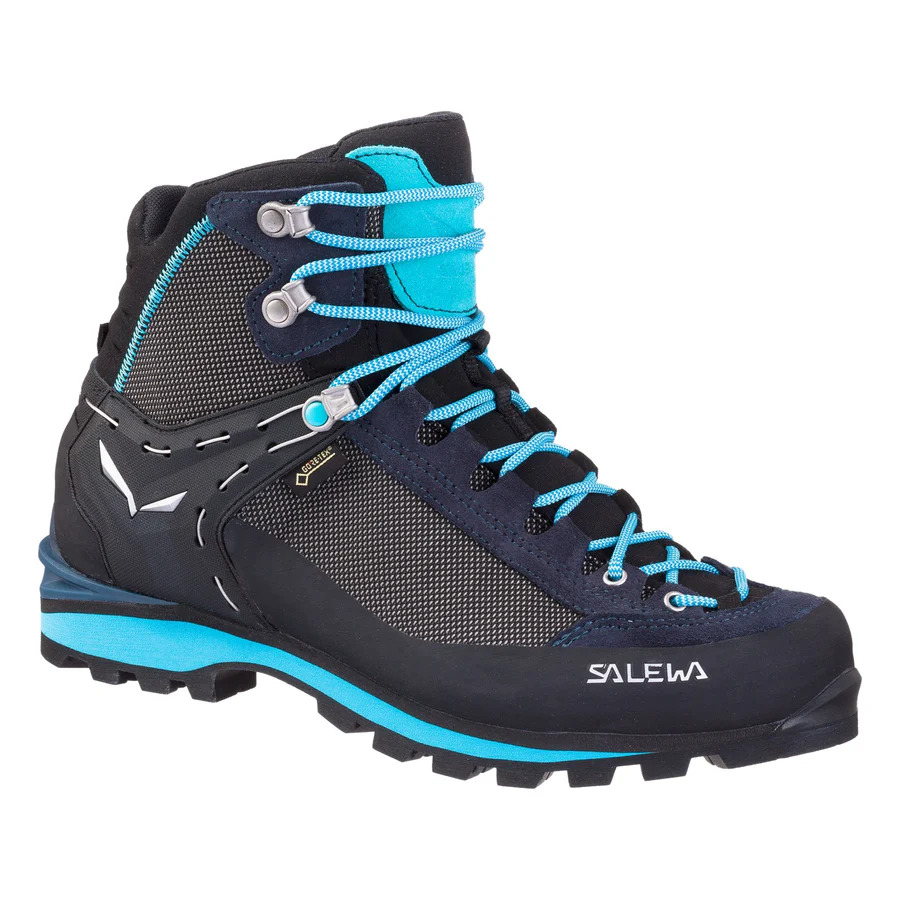
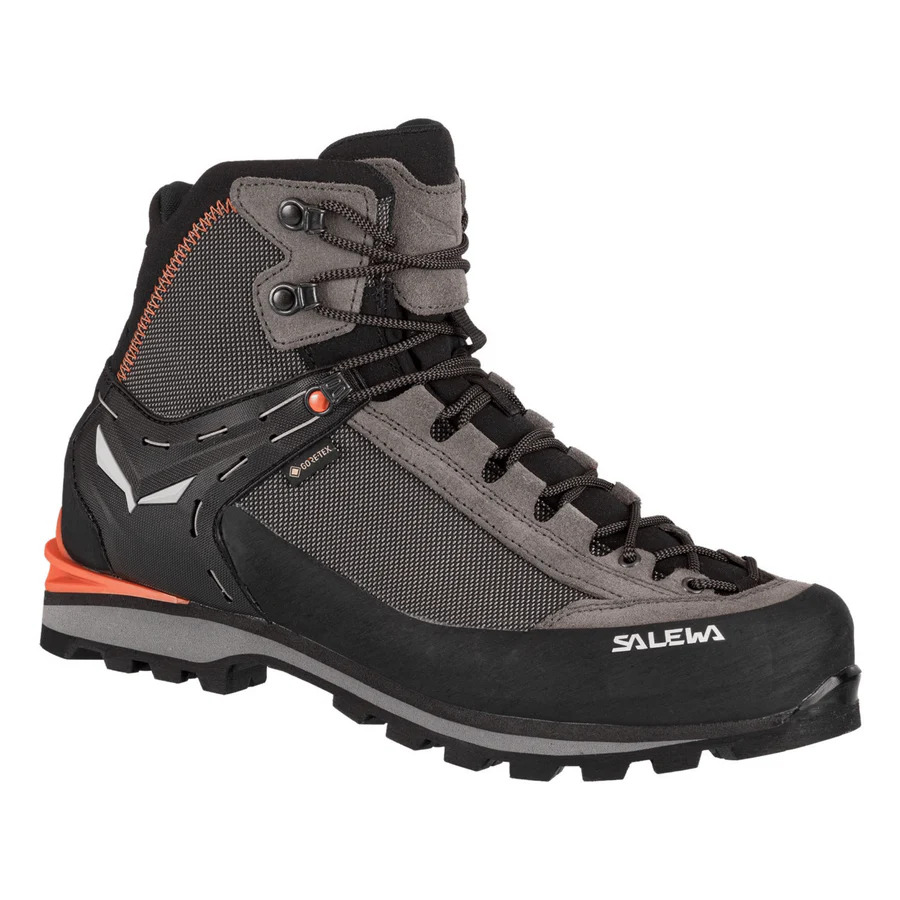
A fantastic all-rounder and my choice for predominantly snowy transalpine trips. Quite durable for the weight. Moderate width and volume; decent heel step.
SALEWA Crow summary
- Warmth: 6/10
- Durability: 7/10
- Weight: 570g(W)/675g(M)
- Slightly stiffer sole
- RRP: $599.90
SCARPA Ribelle
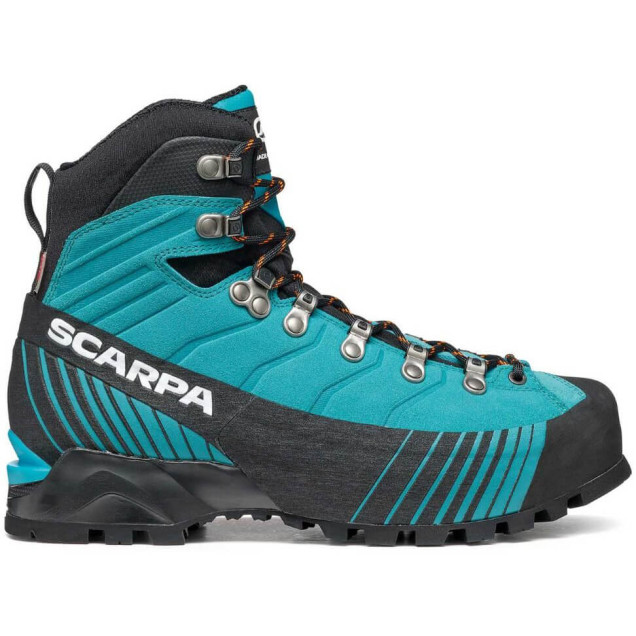
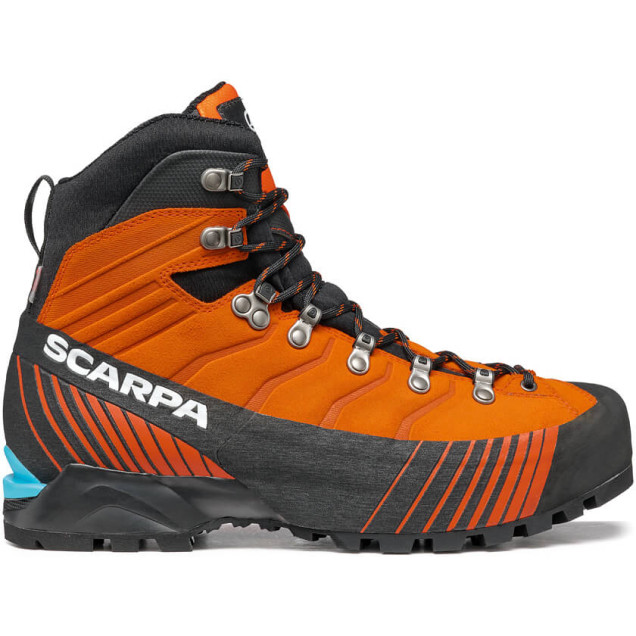
A very capable and versatile boot. Fairly wide forefoot and low-ish volume elsewhere. Not a lot of cushioning underfoot. Heel step is ok.
SCARPA Ribelle summary
- Warmth: 5/10
- Durability: 6/10
- Weight: 590g(W)/695g(M)
- Slightly stiffer sole
- RRP: $699.99
LA SPORTIVA Trango Tech Leather
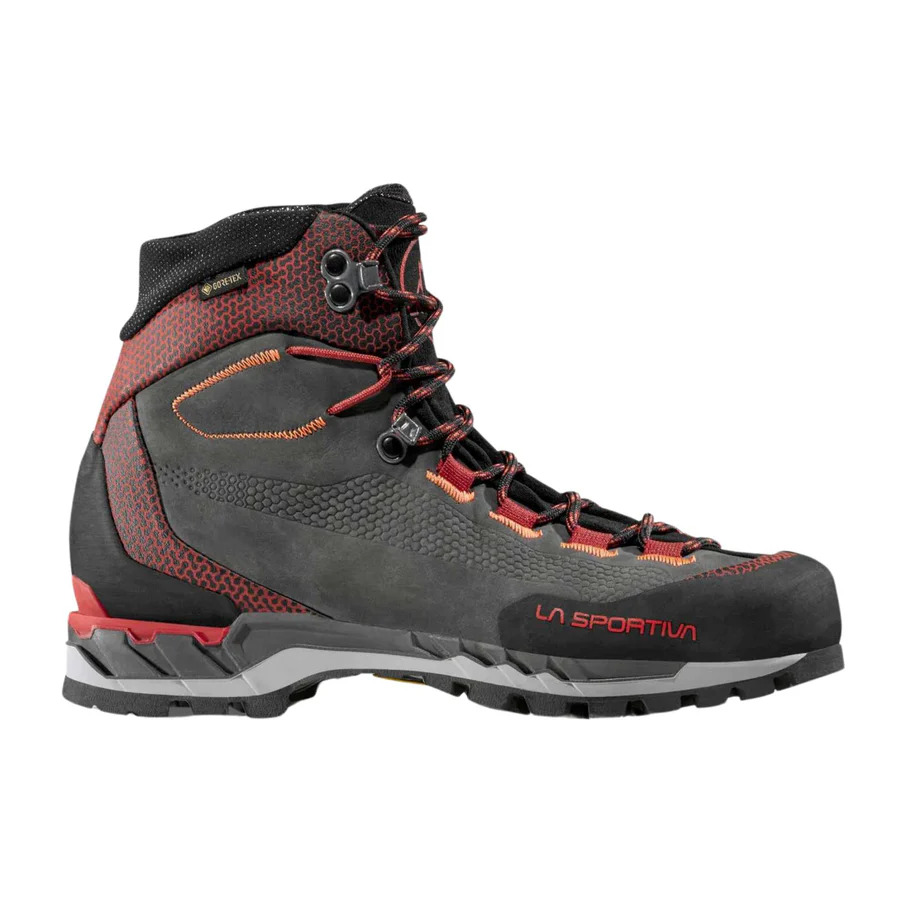

Another capable boot for a variety of terrain. Only a small heel step and shallow lugs so could be a little slippy below the snowline. A little more flexible than the older [discontinued?] Trango Tower.
LA SPORTIVA Trango Tech Leather summary
- Warmth: 5/10
- Durability: 6/10
- Weight: 640g(W)/700g(M)
- Moderate stiffness
- RRP: $699.95
LA SPORTIVA Aequilibrium ST
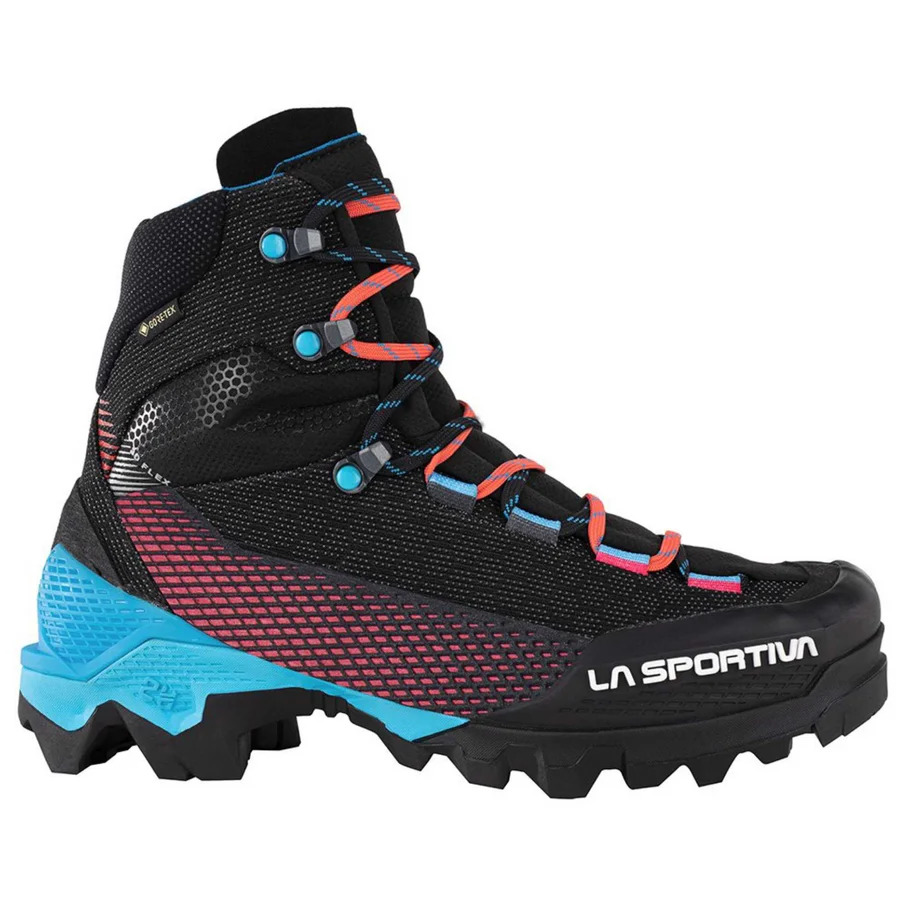
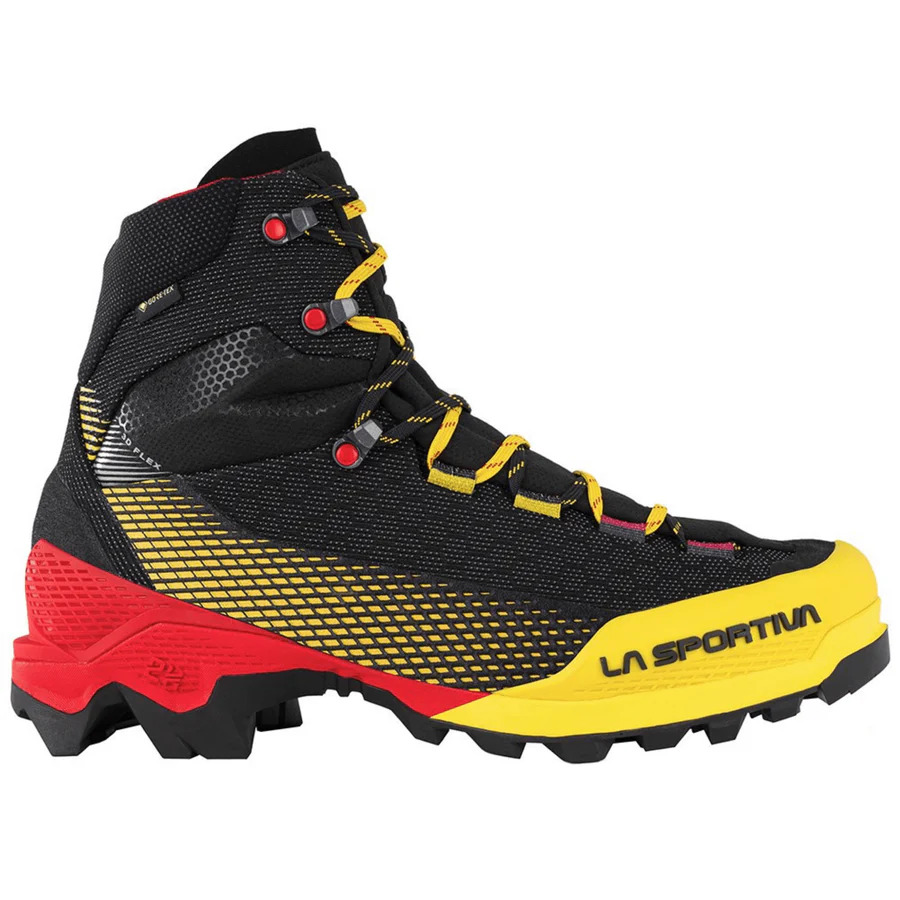
Innovative synthetic materials means decent warmth and durability for being so lightweight. Great traction due to very deep lugs and huge heel step. Moderately narrow fit. My choice for transalpine trips with an equal mix of mud, rock, and snow. Good for alpine scrambling due to being so light.
LA SPORTIVA Aequilibrium ST summary
- Warmth: 6/10
- Durability: 6/10
- Weight: 515g(W)/630g(M)
- Moderate stiffness
- RRP: $799.95
(3) You’d like a comfortable leather boot, even if it’s heavy
These boots don’t really align with the requirement at the top of this page about having narrow outsoles, but they’re so popular that I’d be given a lot of grief if I didn’t include them!
LOWA Tibet Evo/Highcountry Evo
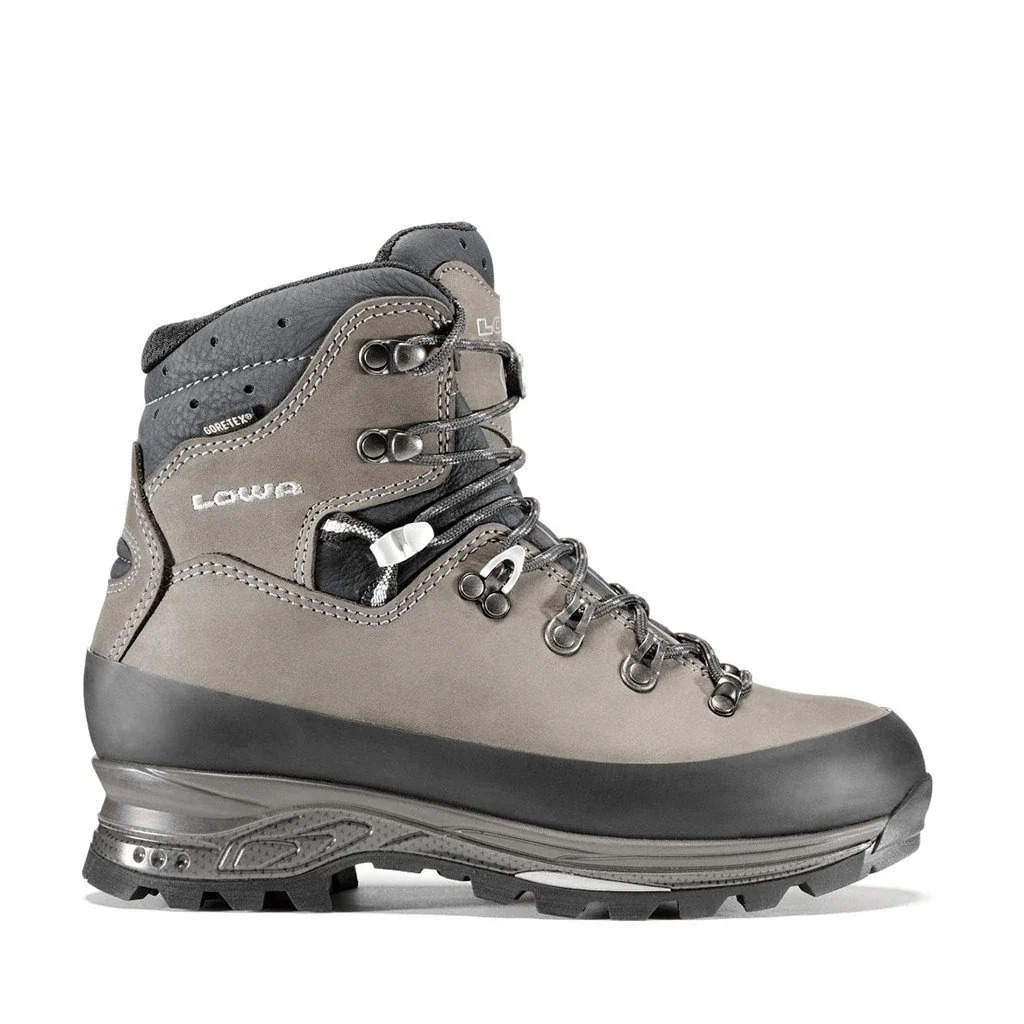
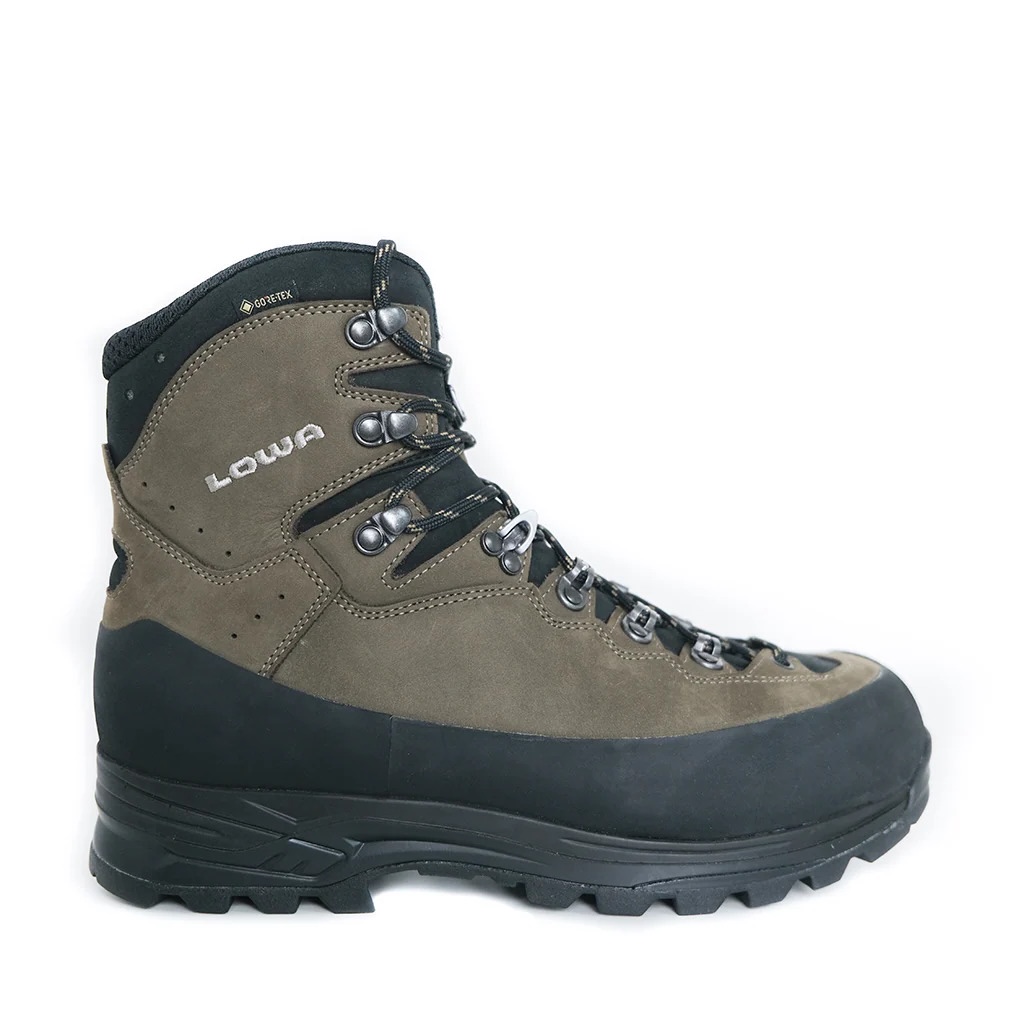
Very popular boots amongst hunters. A little wider sole means less security while edging, but more comfortable and stable at other times. Flex means comfortable walking but you wouldn’t want sustained steep snow. Good heel step. The Tibet comes in a very wide option; the Highcountry is lower volume and has a slightly higher ankle.
LOWA Tibet Evo/Highcountry Evo summary
- Warmth: 6/10
- Durability: 9/10
- Tibet Evo Weight: 745g(W)/880g(M)
- Highcountry Weight: 900g(M)
- Slightly less stiff sole
- RRP: $799.90/$779.00
MEINDL Island/Island Lady
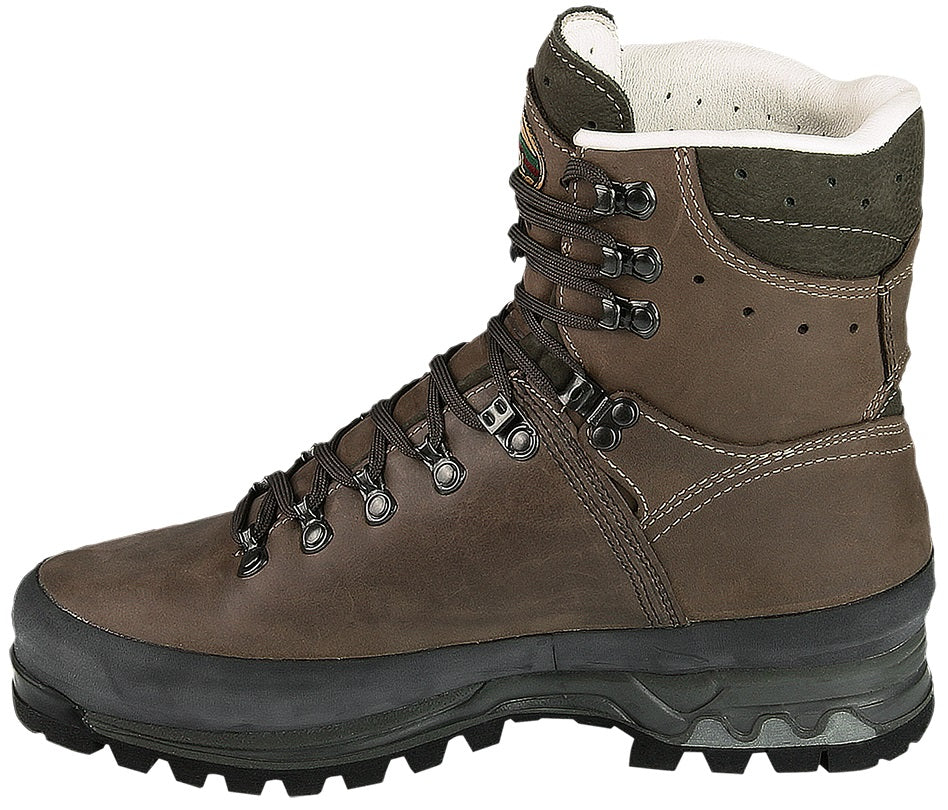
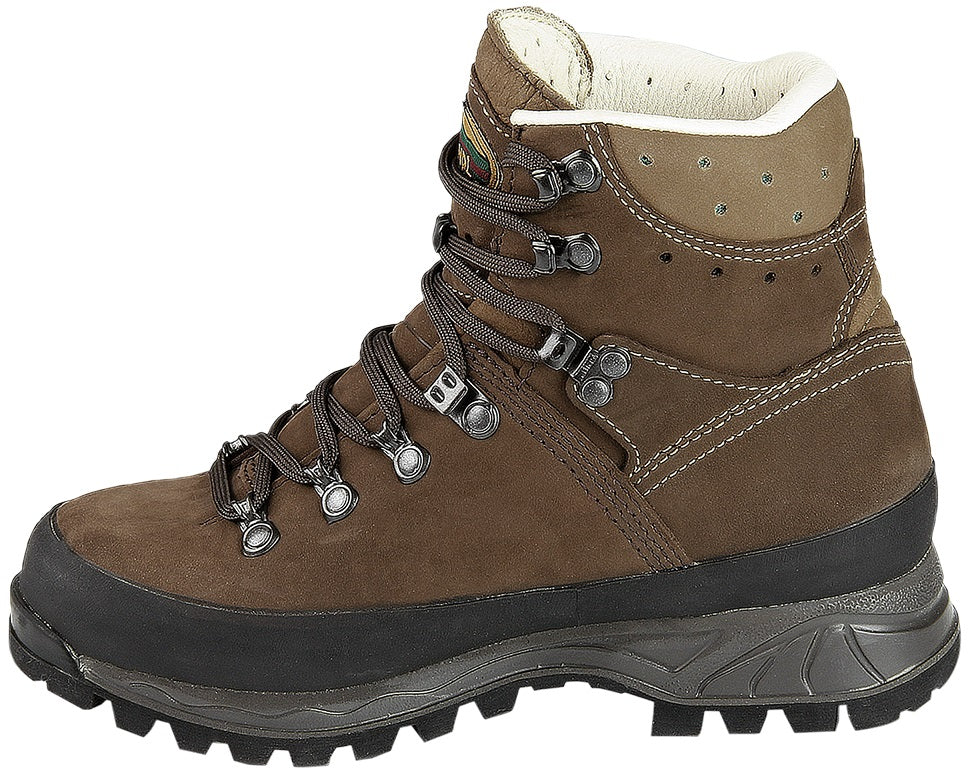
A popular heavy duty trekking boot renowned for amazing all-day comfort. Slightly more flex than the Tibet/Highcountry. Great heel step.
MEINDL Island/Island Lady summary
- Warmth: 6/10
- Durability: 7/10
- Weight: 700g(W)/880g(M)
- Less stiff
- RRP: $749.00
(4) Great boots that are hard to categorise
SALEWA Rapace
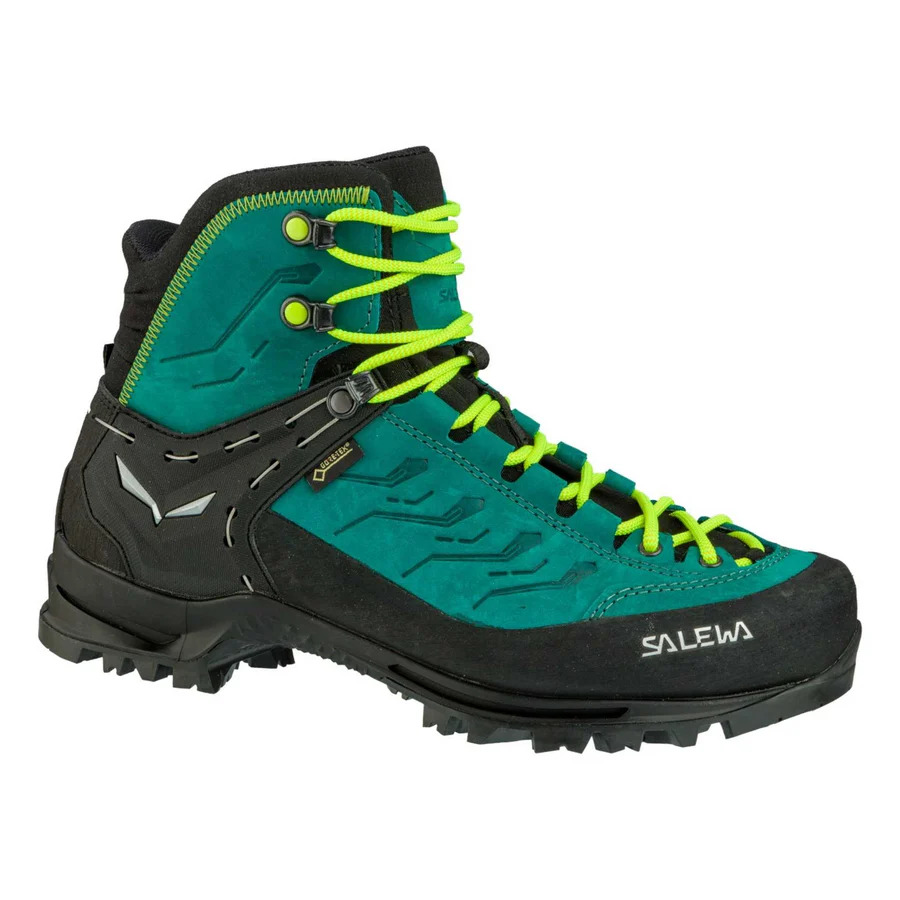
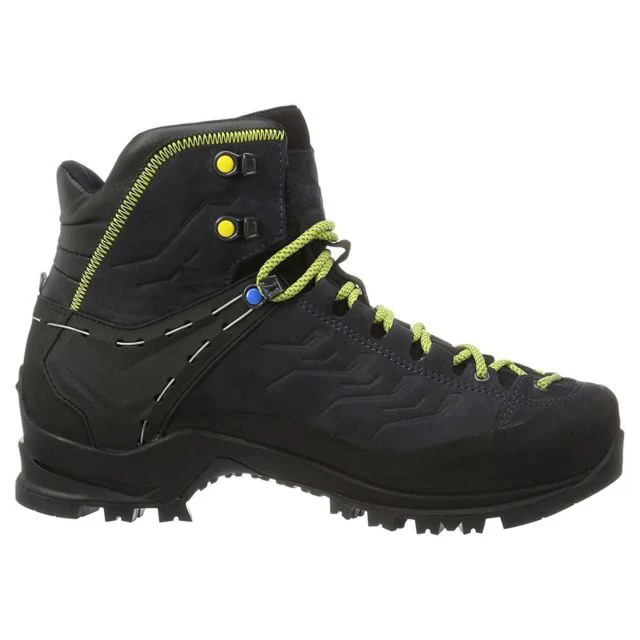
An all-round workhorse. Take the Salewa Crow and add a little more rocker to the sole, some extra width, and a touch more padding. The result is more comfort and easier walking but with a little less precision on technical ground. Great heel step. (Pronunciation: “ra-PAH-cheh”)
SALEWA Rapace summary
- Warmth: 6/10
- Durability: 7/10
- Weight: 599g(W)/729g(M)
- Moderate stiffness
- RRP: $649.90
SALEWA Ortles LT Mid PTX
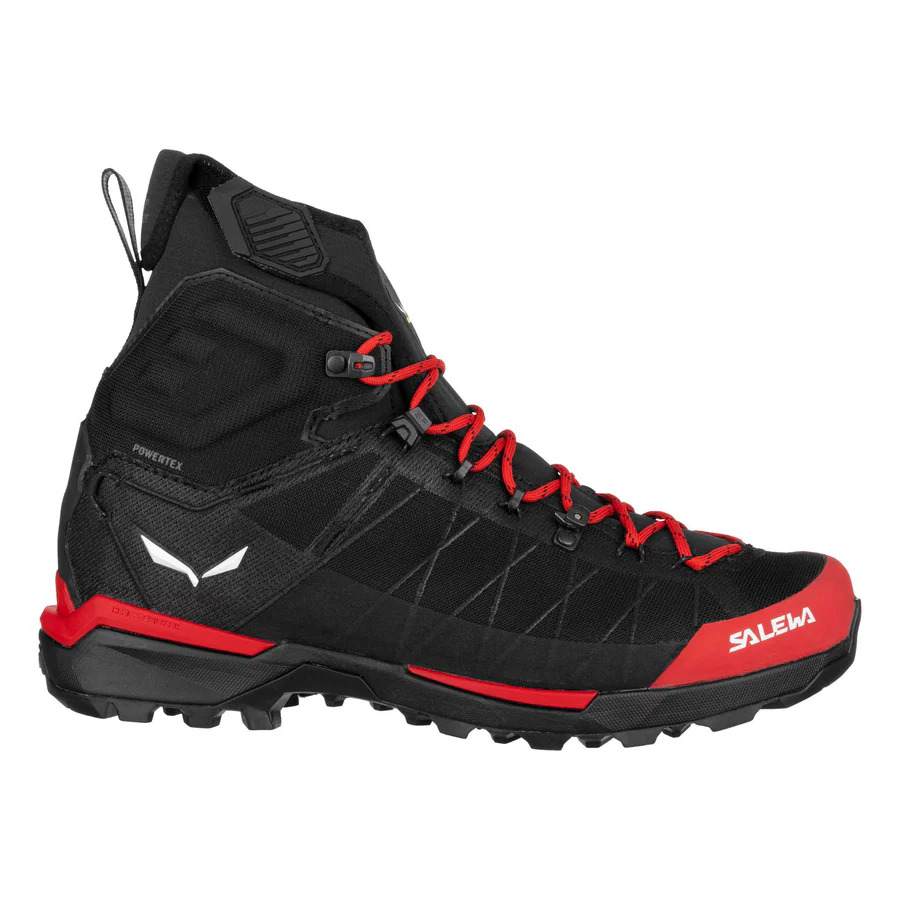
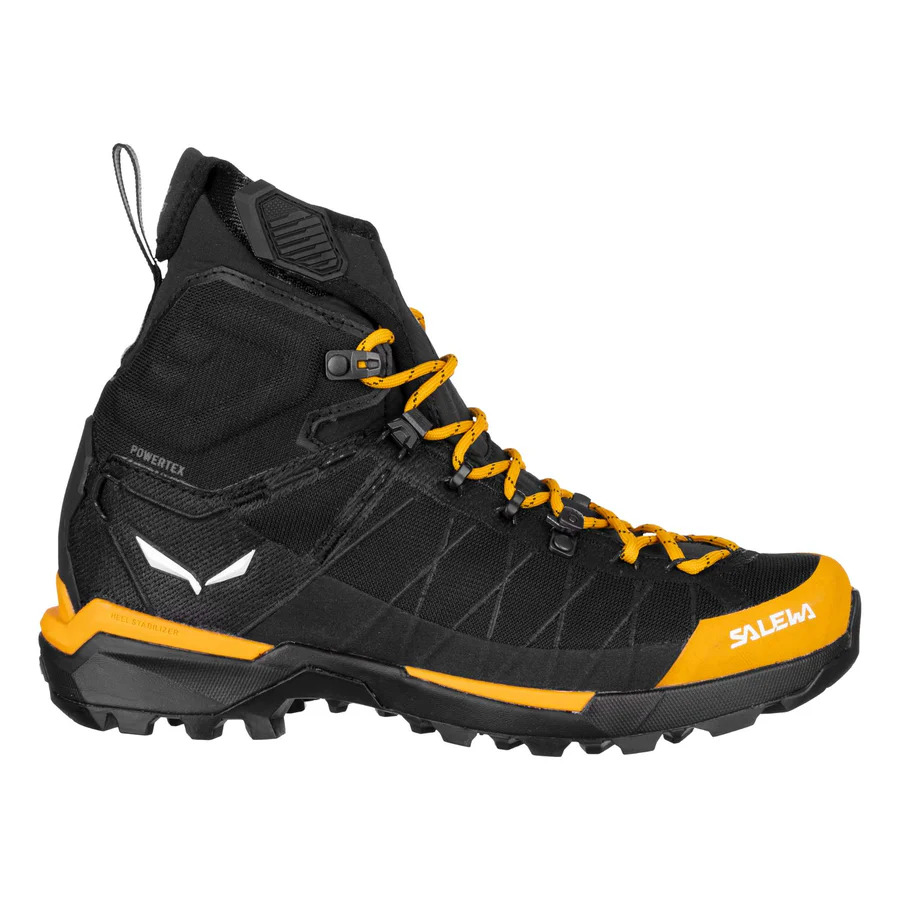
Only just makes this list due to reduced warmth and a fair bit of flex, but an incredibly lightweight and secure scrambling boot which can deal with a bit of snow with no issues. My choice for late summer/autumn transalpine trips. Good heel step, and the in-built gaiter is nifty. Fully synthetic (they won’t stretch) and a little narrow. (Pronunciation: “ort-lace”)
SALEWA Ortles LT Mid PTX summary
- Warmth: 4/10
- Durability: 4/10
- Weight: 480g(W)/600g(M)
- Less stiff
- RRP: $659.90
What if this page doesn’t quite align with what you hope to do?
Perhaps you fit into one of these categories instead:
“I’m getting properly into mountaineering so I need a warmer, stiffer boot.”
The following boots were deemed too stiff and heavy for the selection above, but would fit the bill very nicely if you’ve got something like multi-day alpine courses and/or an ascent of Aoraki on your list of ambitions. If your mountaineering plans involve summer rock routes with not much steep snow, then the “lightweight and precise” list above would be perfect, or perhaps the LOWA Alpine SL: lighter than any boots on this page but which I didn’t include because I’m not sure about durability.
- LA SPORTIVA: Karakorum Evo (wouldn’t be out of place in Section 1 above), Nepal Evo, Nepal Cube
- SCARPA: Mont Blanc Pro, Phantom Tech
- LOWA: Alpine Expert
“I like tramping off-track, but I won’t go to snow very much.”
The following boots are capable enough for some fairly rugged tramping, with some crossings of straightforward snow-covered passes en route. They wouldn’t be warm and stiff enough to be enjoyable on an alpine instruction course or any moderate angled snow.
- SALEWA: Mountain Trainer Mid
- LA SPORTIVA: TX5, Trango TRK
- SCARPA: SL Active (could arguably be included in Section 3 above), Terra GTX, Kailash Trek
- LOWA: Ranger, Renegade, Camino Evo
- ASOLO: TPS 535
“I stick to tracks.”
Wear literally anything that’s comfortable and has decent grip on the soles. See “the myth of ankle support” above. If you don’t need to use your edge and you don’t need to protect your ankle from knocks, you can wear a low-ankle shoe. Don’t worry about waterproofness – shoes all seem to have a big hole in the top which lets in a lot of water!
What was that you said about crampons?
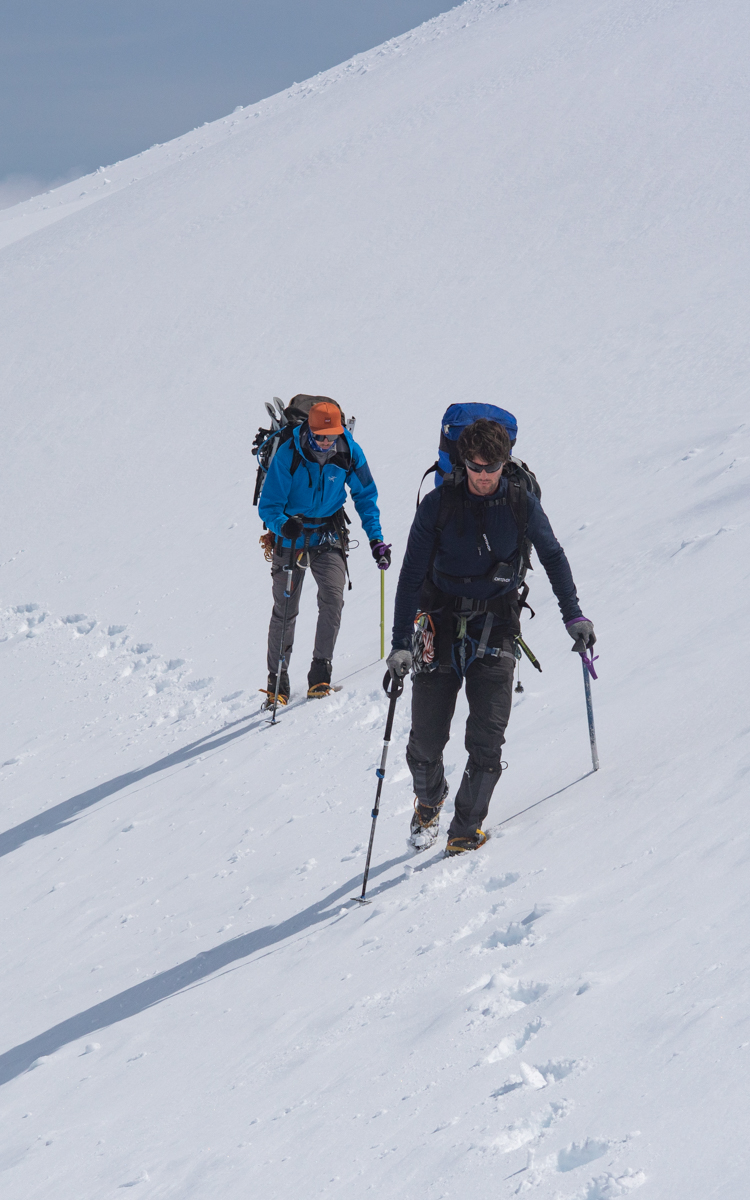
All boots are crampon compatible. You can strap a crampon onto a gumboot if you really want to. You just need to be aware of the limitations of your boot-crampon system. (By the way, gumboots have a LOT of limitations – please don’t try that.) More flexible boots are not suitable for sustained snow, especially if it gets moderately steep (more than 25 degrees). Strap-on crampons work really well with all of the boots on this page, really well with rigid mountaineering boots, and quite well with many boots that are just a little less stiff.
One pair of crampons will last long enough for you to go through several pairs of boots, so I recommend fully strap-on crampons to give yourself more boot options in the future. In my opinion only three models of crampon ever need exist, all made by Grivel: the G10, the G12, and the Air Tech Light, all with the ‘New Classic’ (strap-on) binding.